
20+ Years of Experience
ISO 9001 Certified
Locally Based in the Sacred Valley
The Route at a Glance
- Distance
- 59.0 km
- Punta Carretera to Aguas Calientes
- Duration
- 7 days
- 6 nights, 5 camping
- Start
- 2,899 m a.s.l.
- Punta Carretera
- Highest point
- 4,110 m a.s.l.
- 13,484 ft · Victoria Pass
Altitude from the route’s GPS track. Distance measured along the trail.
Trek Highlights
- Cross Victoria Pass on an original Inca path.
- Descend into the Apurímac Canyon and cross the river.
- Camp inside the Choquequirao archaeological complex.
- Trek the Vilcabamba mountains to Llactapata and Machu Picchu.
Day 1Day 2Day 3Day 4Day 5Day 6Day 7
Day 1 of 7
Cusco – Punta Carretera – Chiquisca – Santa Rosa Baja
A steep descent into the Apurímac Canyon, then a climb to camp at Santa Rosa Baja.
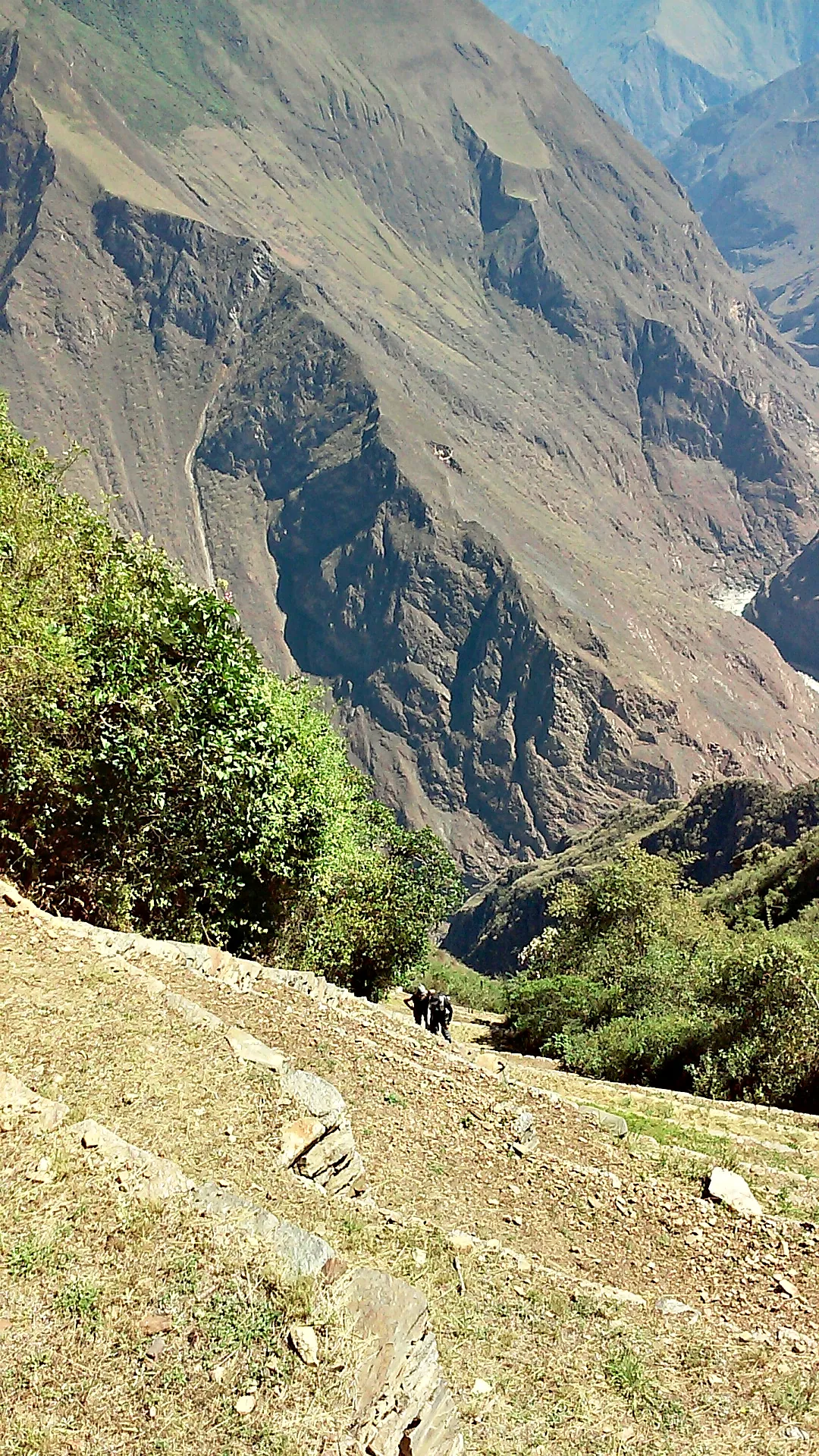
We leave Cusco at 6:00 a.m. in a private vehicle and drive to Cachora and on to Punta Carretera, where our muleteers and mules wait to carry your gear. Then you walk for about 4 hours down the Apurímac Canyon to Chiquisca, at 1,800 m, where we have lunch. After one more hour to the Apurímac River, you cross the bridge and climb steeply for about 3 hours to the village of Santa Rosa Baja, where we camp.
Highlights
- Descend into the Apurímac Canyon.
- Lunch at Chiquisca.
- Cross the Apurímac River by bridge.
- Camp at the village of Santa Rosa Baja.
Altitude from the route’s GPS track. Distance measured along the trail.
Day 2 of 7
Santa Rosa Baja – Marampata – Choquequirao
Climb to Marampata and camp inside the Choquequirao archaeological complex.
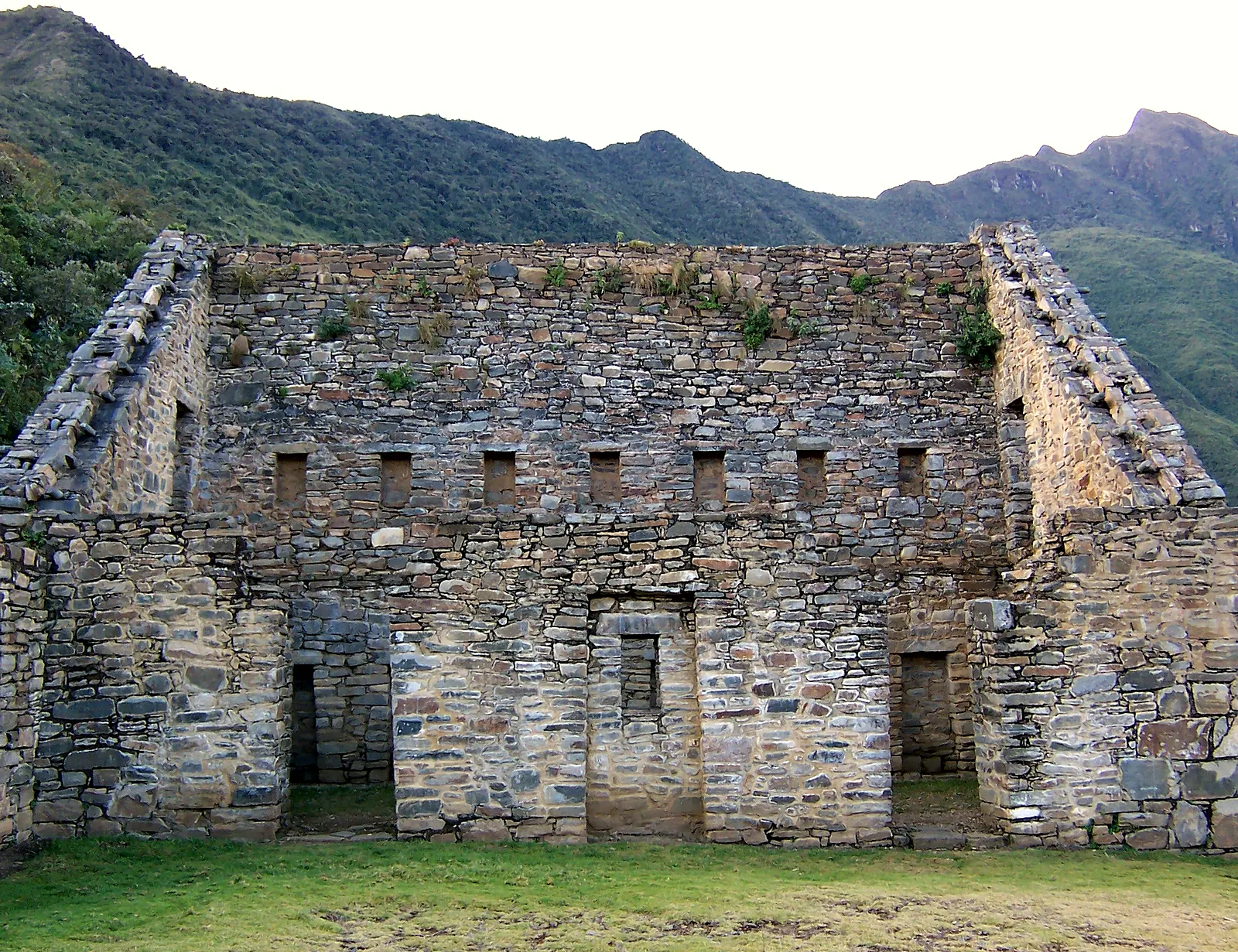
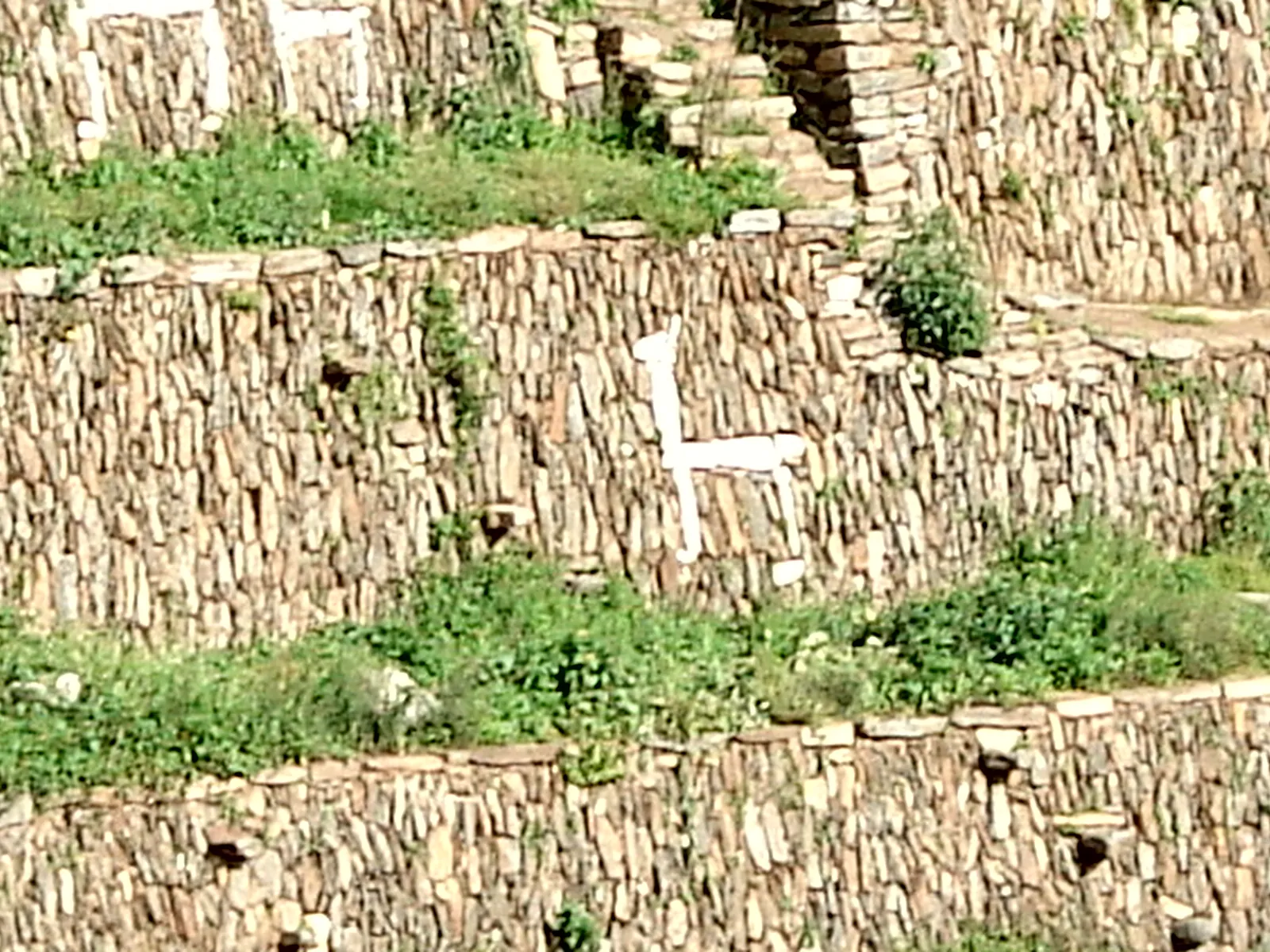
After breakfast we climb for about 3 hours to Marampata. From there the trail is gentler, mixing short ascents and descents for 2 hours to the campsite inside the Choquequirao archaeological complex. Finally, in the afternoon we visit the ruins with your guide.
Highlights
- Climb to Marampata.
- Camp inside the Choquequirao archaeological complex.
- Afternoon guided visit to Choquequirao.
Altitude from the route’s GPS track. Distance measured along the trail.
Day 3 of 7
Choquequirao – Maizal
Say goodbye to Choquequirao, descend through cloud forest to Río Blanco and climb to Maizal.
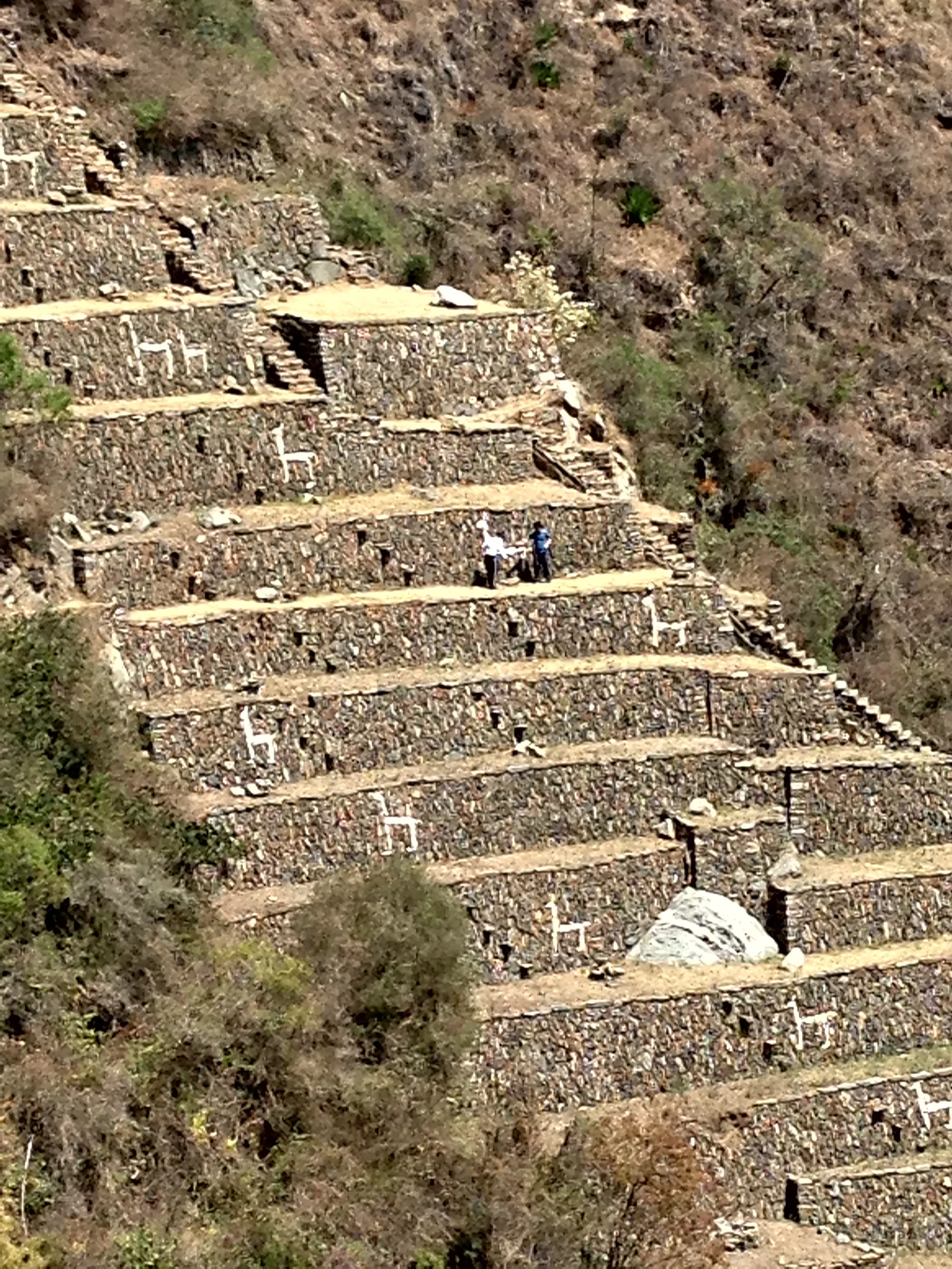
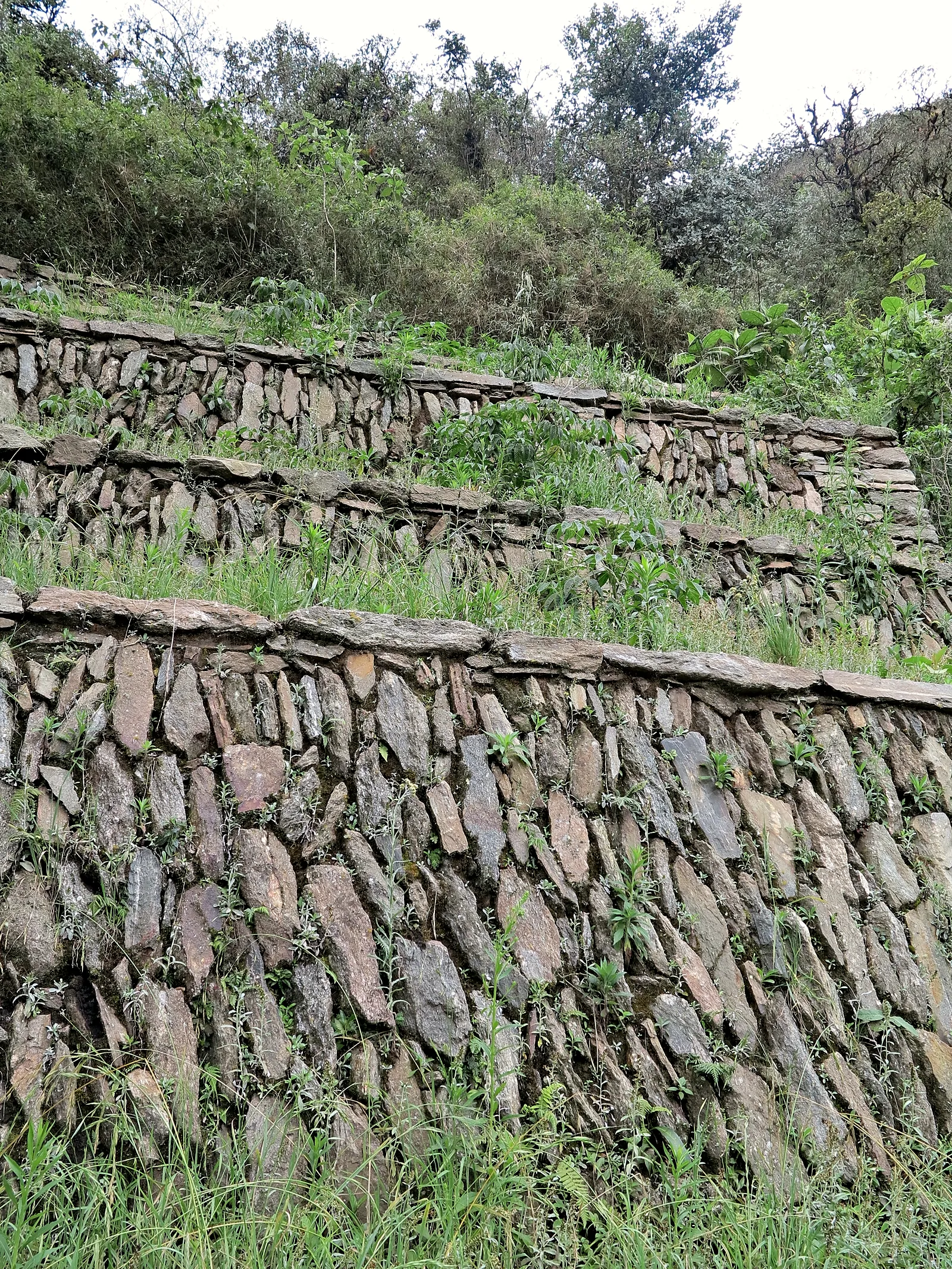
After a last visit to the archaeological complex, we continue through humid forest to the Choquequirao Pass. We then descend toward Río Blanco, stopping at the Pinchiyoc terraces on the western face of the mountain, where you can see curious ritual fountains. After lunch at Río Blanco, we climb for about 3 hours to Maizal, where we camp.
Highlights
- Final visit to Choquequirao.
- Cloud forest and Choquequirao Pass.
- Pinchiyoc terraces and ritual fountains.
- Camp at Maizal.
Altitude from the route’s GPS track. Distance measured along the trail.
Day 4 of 7
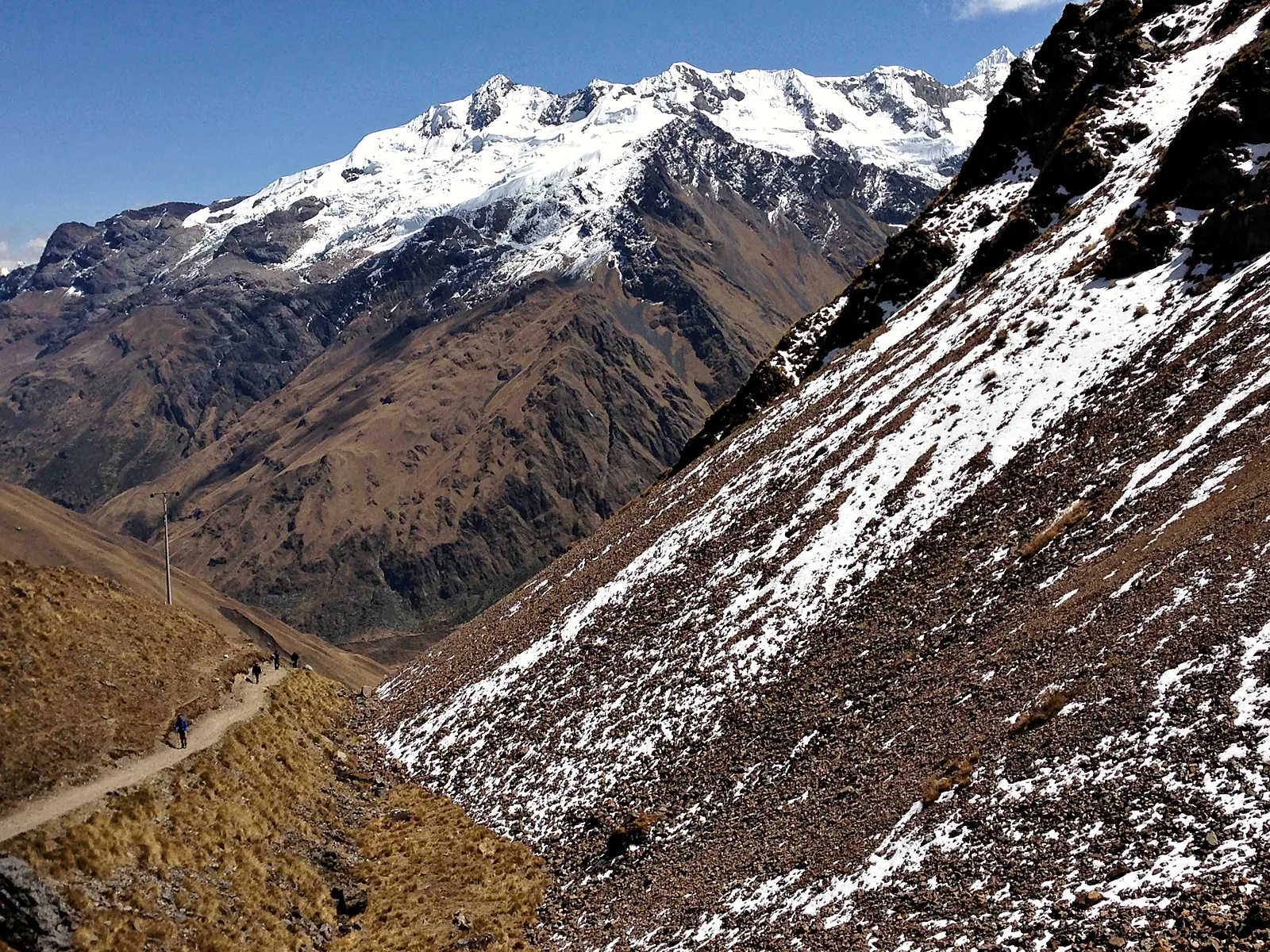
Maizal – Victoria Pass – Yanama
Cross Victoria Pass on an original Inca path and descend to the Yanama Valley.
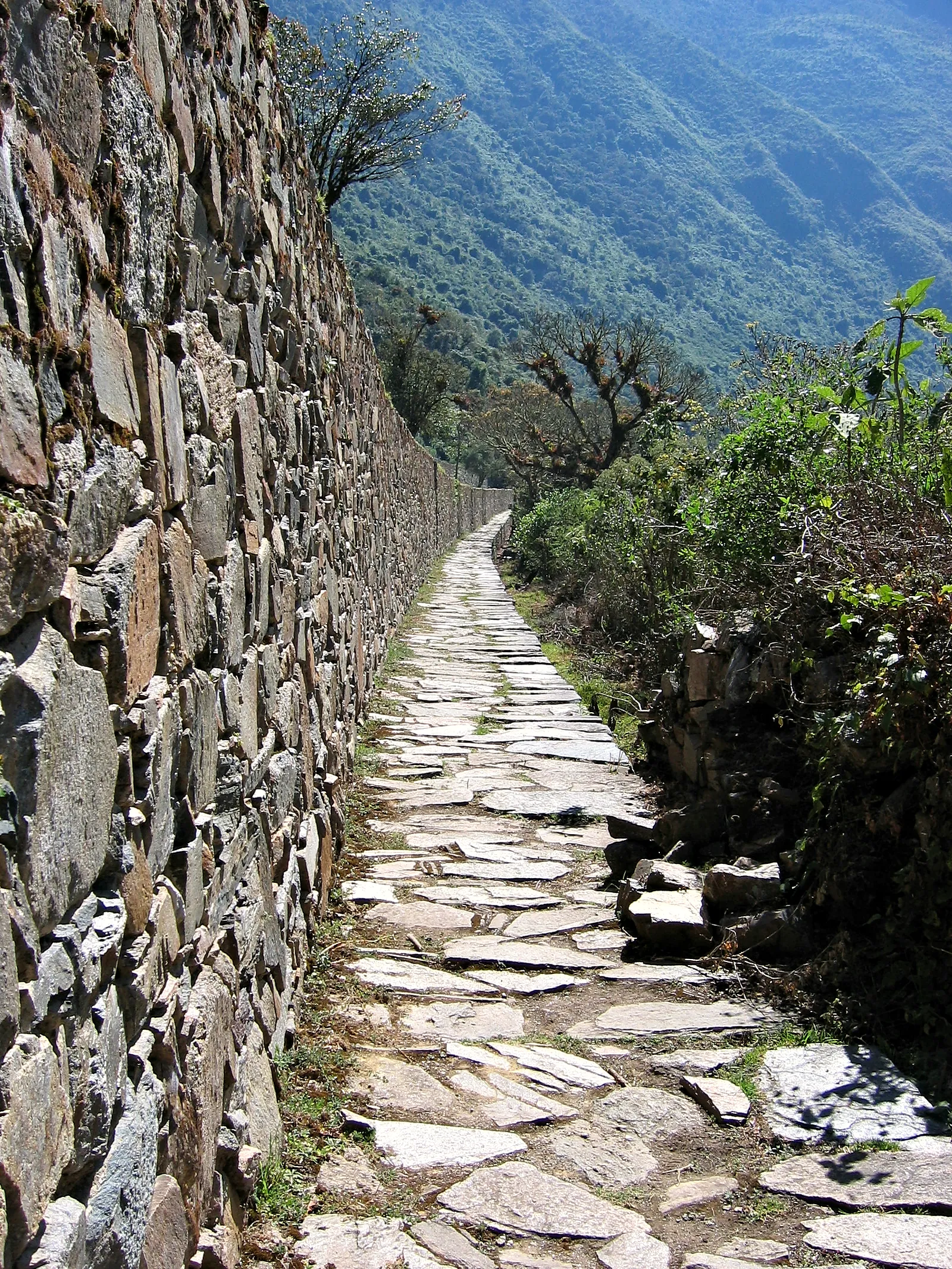
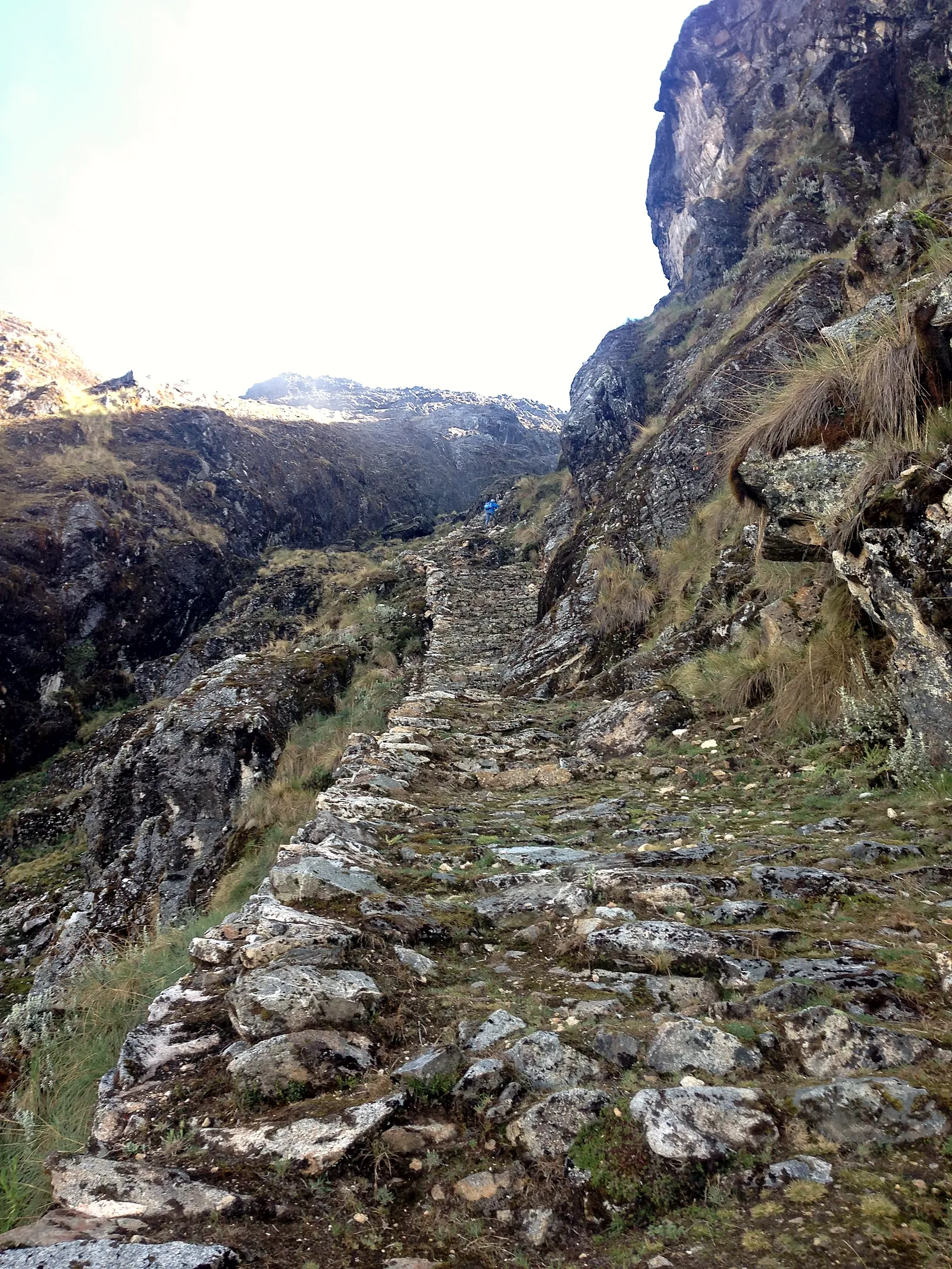
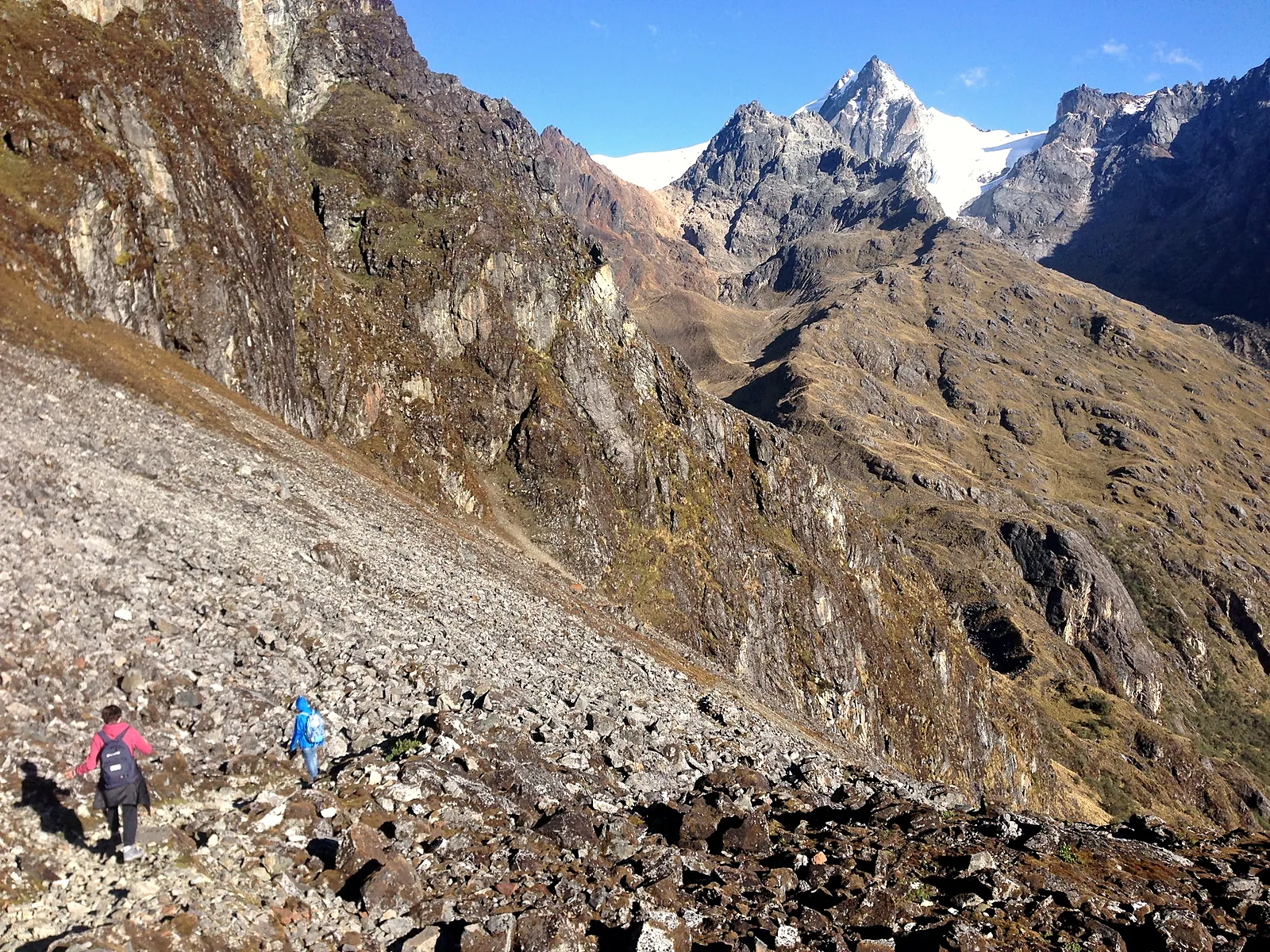
We walk around the Corihuarachina snow peak, where Inca canals have been found. Then, following a stretch of original Inca trail, we reach Victoria Pass and its Inca silver mines, later used by the Spanish colonizers. After crossing the pass we descend into the spectacular Yanama Valley, under the shadow of Mount Pumasillo, where we camp.
Highlights
- Walk around the Corihuarachina snow peak.
- Original Inca trail to Victoria Pass.
- Inca silver mines of Victoria.
- Camp in the Yanama Valley beneath Pumasillo.
Altitude from the route’s GPS track. Distance measured along the trail.
Day 5 of 7
Yanama – Chaullay – Cocalmayo – Lucmabamba (transfer by car)
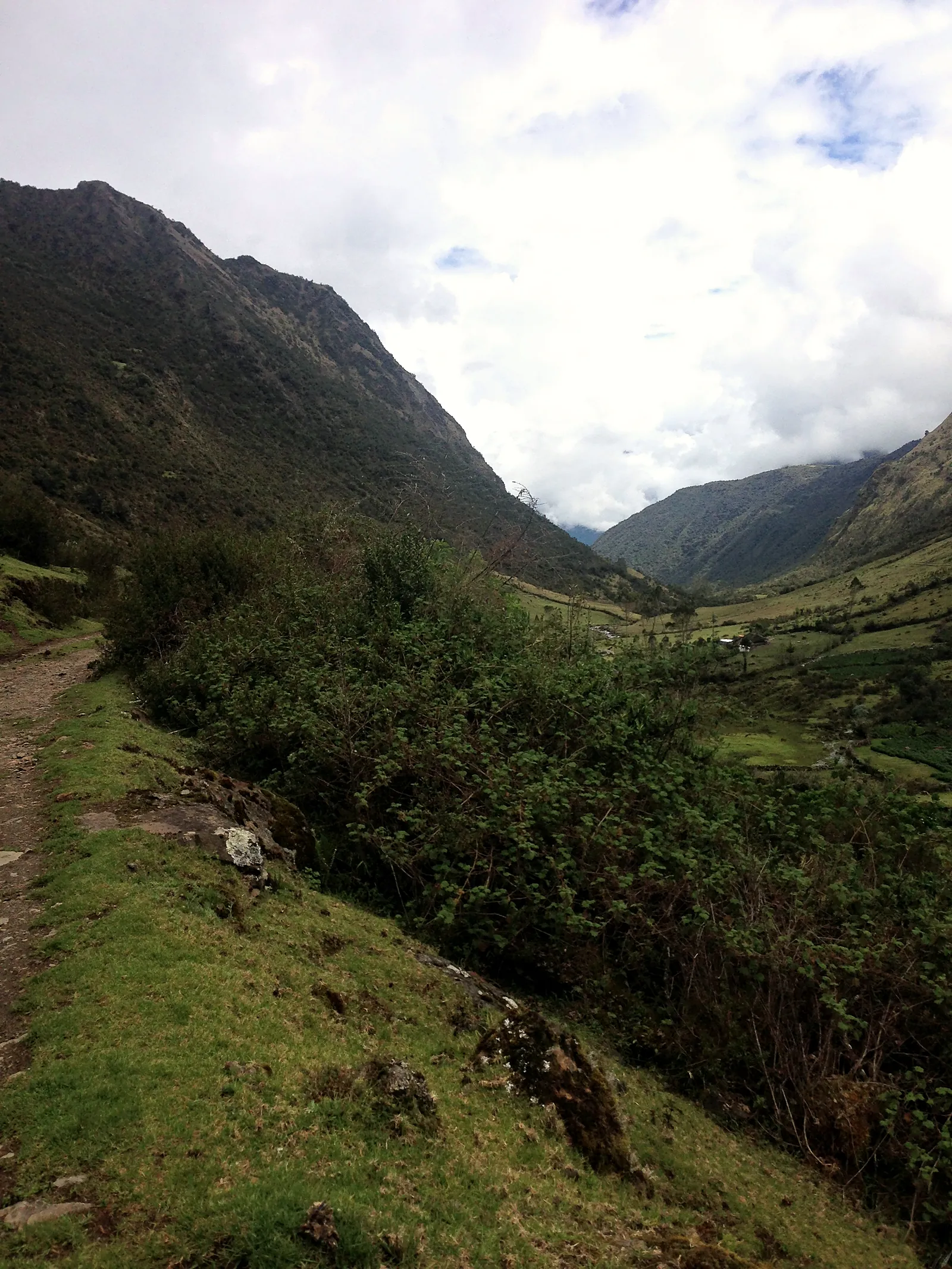
A transfer by car, about 6 hours with stops: a scenic drive down the valley, a soak in the Cocalmayo hot springs and a night in Lucmabamba.
After a hearty breakfast we leave Yanama and continue down the valley by vehicle, through Chaullay and La Playa, to the Cocalmayo hot springs in Santa Teresa. The drive takes about 3.5 hours. Along the way you see fields of coca, the leaf our Andean ancestors considered sacred, which grows in tropical areas today. After the hot springs we drive on to Lucmabamba, about 1 hour, a coffee-growing community where we rest for the night.
Highlights
- Drive down the valley from Yanama, about 3.5 hours.
- Coca fields along the way.
- Cocalmayo hot springs in Santa Teresa.
- Drive on to Lucmabamba, about 1 hour.
- Night in Lucmabamba, a coffee-growing community.
Altitude from the route’s GPS track. Distance measured along the trail.
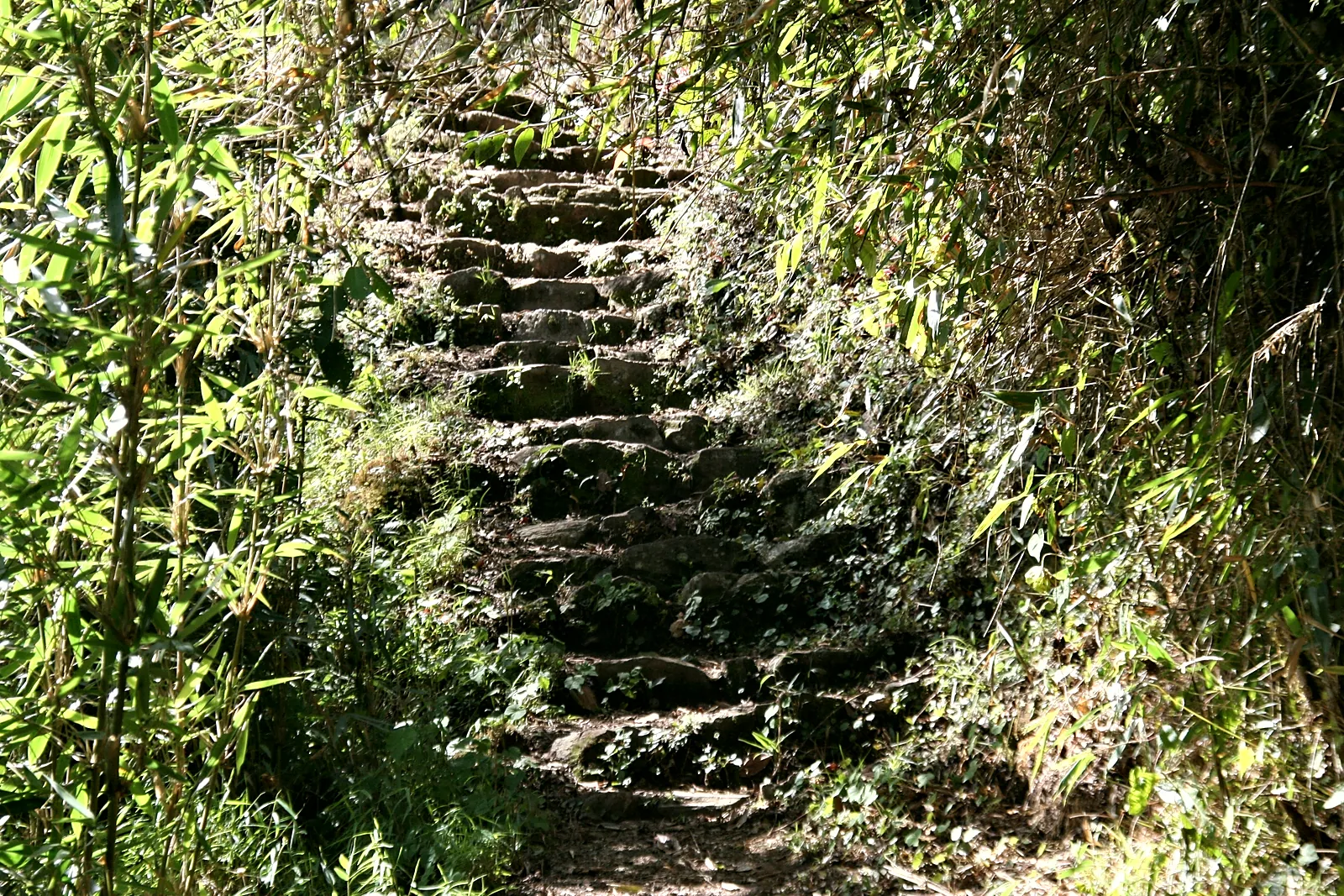
Day 6 of 7
Lucmabamba – Llactapata – Hydroelectric – Aguas Calientes
A walk through coffee farms, a first view of Machu Picchu and a night in a hotel.
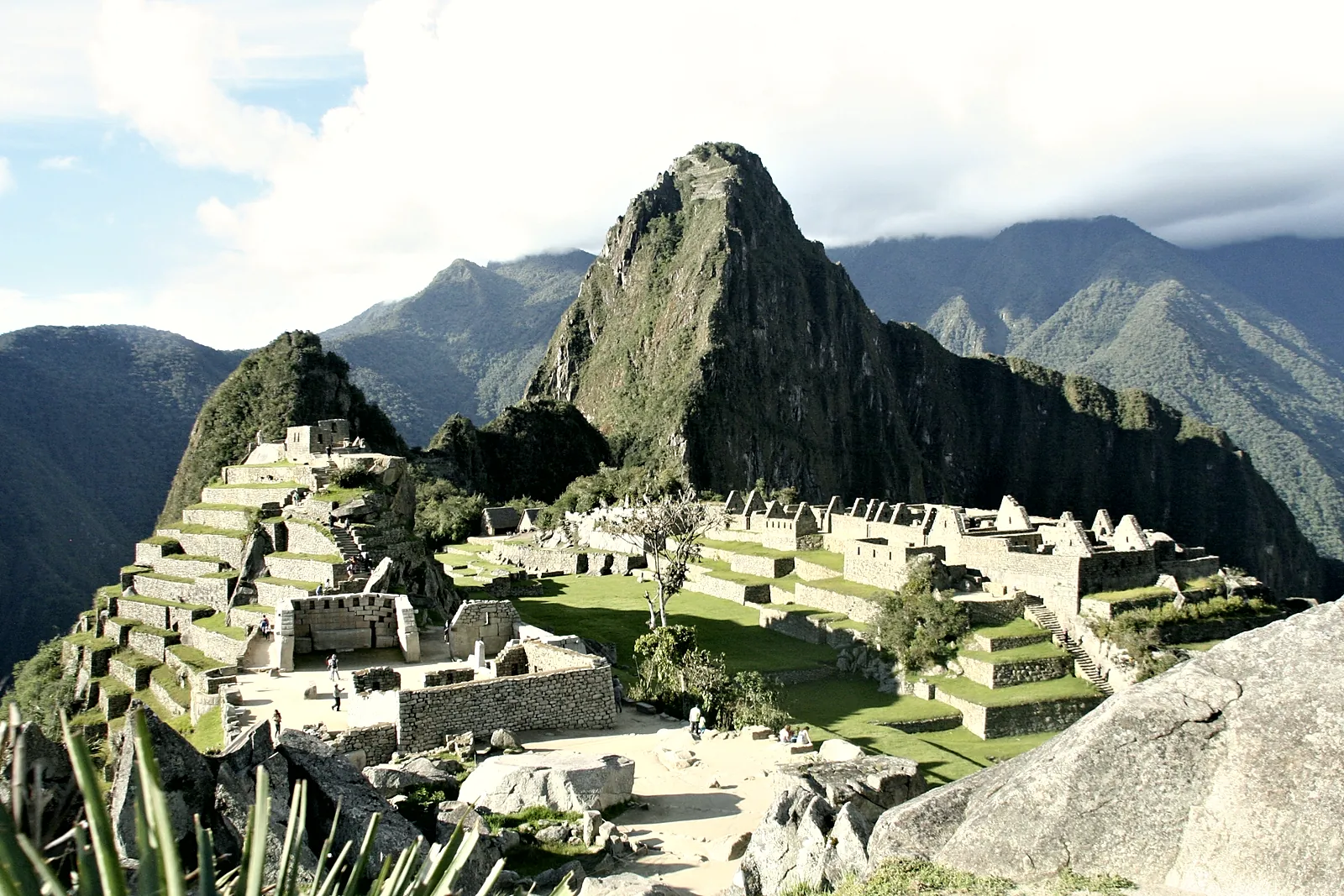
We start the day on foot in Lucmabamba, a community that shows us how organic coffee is grown. Walking through coffee and tropical fruit plantations, you climb for about 4 hours to the Llactapata archaeological site (2,590 m a.s.l.), where the viewpoint gives an exceptional angle on Machu Picchu. A path of flowers and orchids then leads down to the Acobamba River, and a metal bridge near the hydroelectric plant takes you across. From the Hydroelectric station we walk on to Aguas Calientes, or you can take the train (optional, extra cost). Along the way you see waterfalls fed by glaciers. In the afternoon we reach Aguas Calientes, where you sleep in a comfortable hotel. Dinner is not included, but we can arrange an optional dinner at a local restaurant.
Highlights
- Organic coffee farms in Lucmabamba.
- Llactapata viewpoint over Machu Picchu.
- Path of flowers and orchids down to the Acobamba River.
- Walk from the Hydroelectric station to Aguas Calientes.
- Night in a hotel in Aguas Calientes.
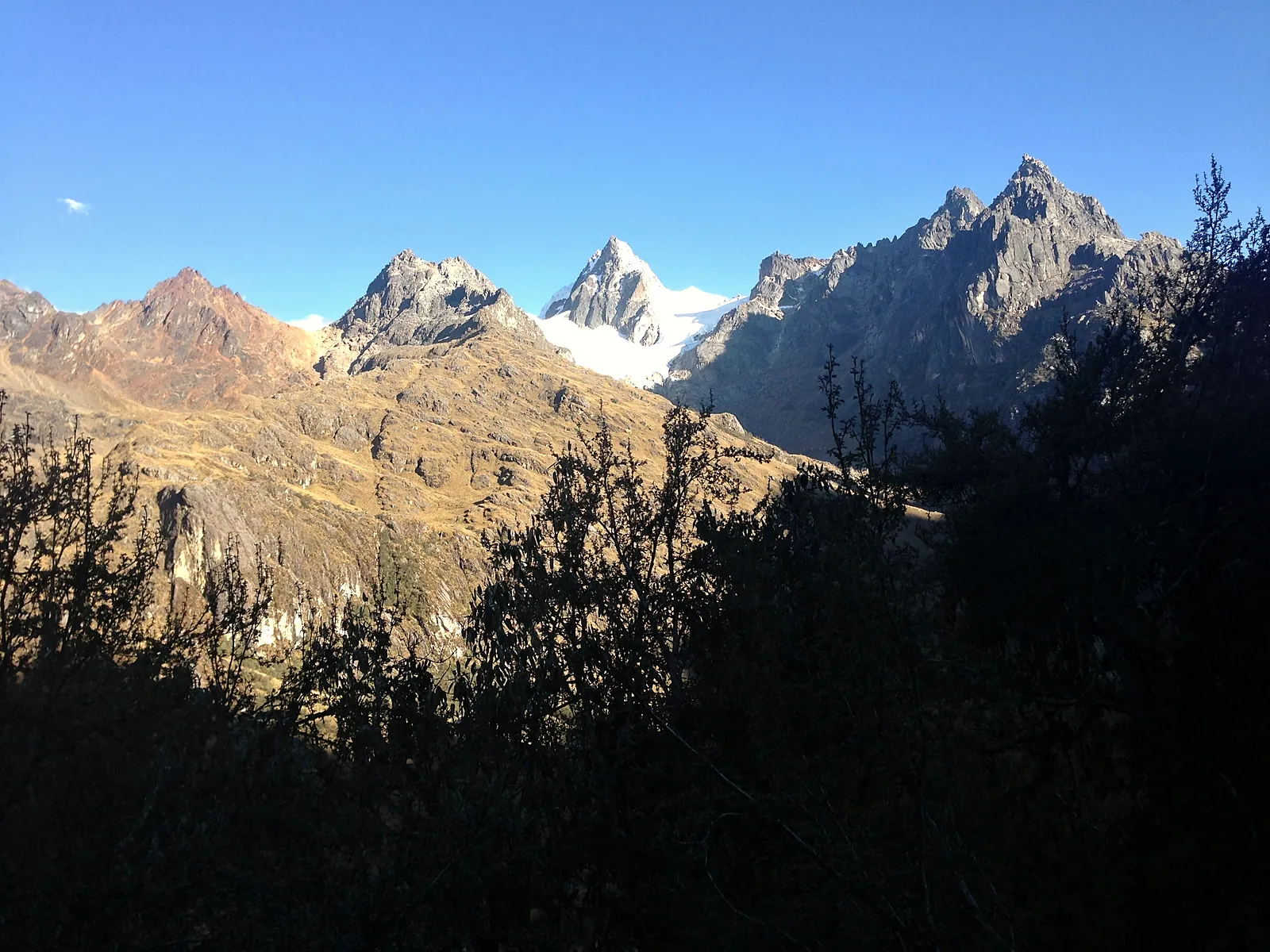
Altitude from the route’s GPS track. Distance measured along the trail.
Day 7 of 7
Aguas Calientes – Machu Picchu – Cusco
A guided visit to Machu Picchu, then the train back to Ollantaytambo and Cusco.
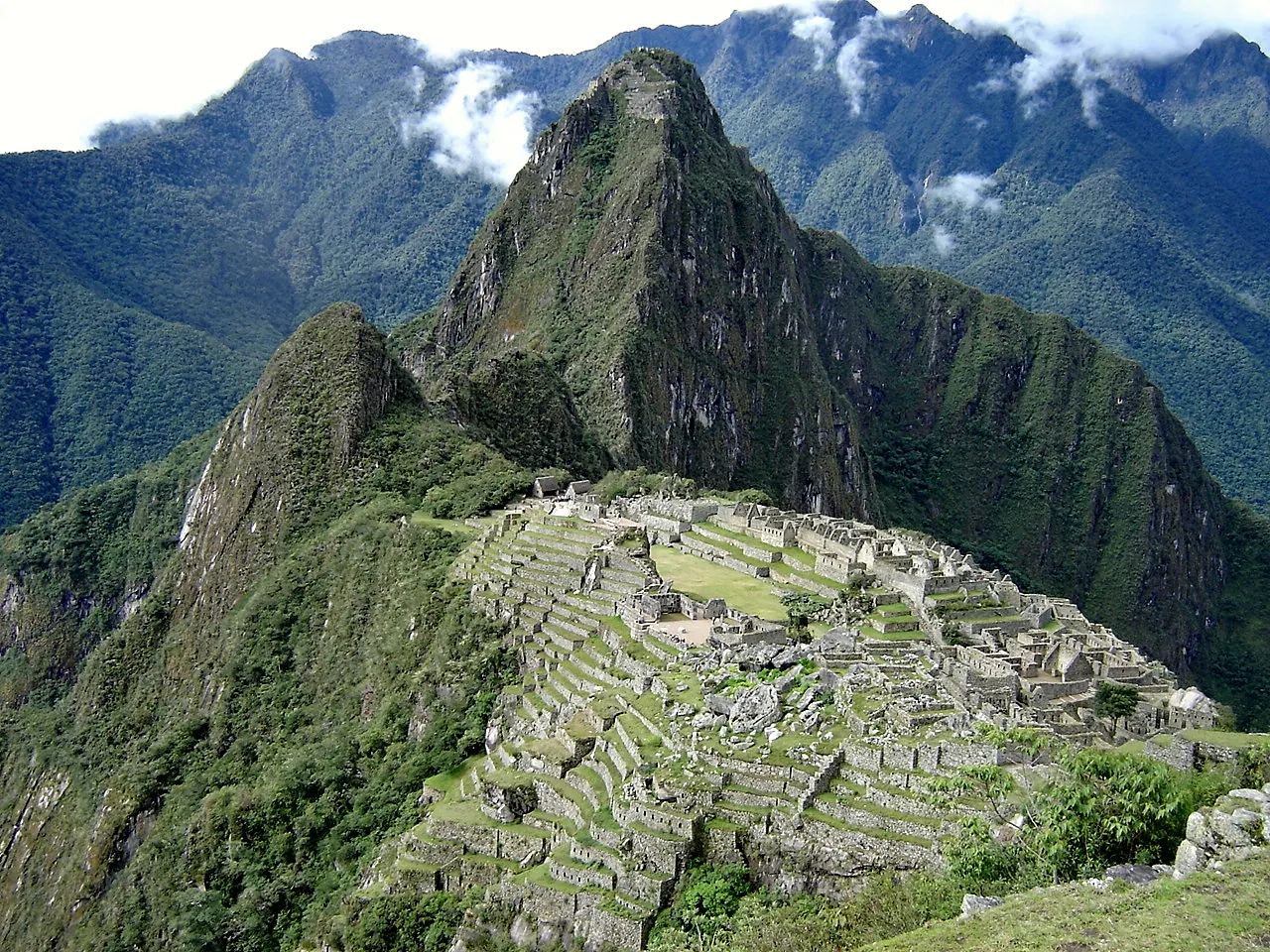
After breakfast at the hotel, a bus takes us up to Machu Picchu for a guided tour of about 2.5 hours through the citadel, its amazing architecture and the mysterious temples the Incas left behind. You can add the optional Huayna Picchu hike (ask us for pricing). Then we take the bus down to Aguas Calientes and board the Vistadome train to Ollantaytambo, where a private transfer takes you to your hotel in Cusco.
Highlights
- Guided tour of the citadel, about 2.5 hours.
- Optional Huayna Picchu climb (ask us for pricing).
- Vistadome train to Ollantaytambo.
- Private transfer to your hotel in Cusco.
Pack light
What to bring
The bag you carry yourself while walking. Camping equipment is normally carried by the trekking crew.
Sun and rain
- Hat
- Sunscreen
- Waterproof poncho
- Jacket
- Insect repellent (minimum 20%)
Daypack essentials
- Water (non-disposable bottle)
- Snacks
- Toilet paper and wet wipes
- Headlamp or flashlight
Documents and health
- Documents (passport or ID; student card if you are under 18)
- Personal medication
Camera and power
- Camera / phone
- Power bank
Bring cash in soles and/or US$ (there are no ATMs in Cachora). Our mules carry your large backpack, up to 7 kg.
On the trail
Food and dietary needs
Vegetarian options are available on this trek. Vegan, gluten-free and dairy-free meals are available on request with advance notice. Please tell us about any food allergies when you book, so we can confirm what we can arrange for you.
Traveling responsibly
We buy local products whenever we can, to support the local economy. On the trail we take care to recycle, reuse and avoid single-use plastic.
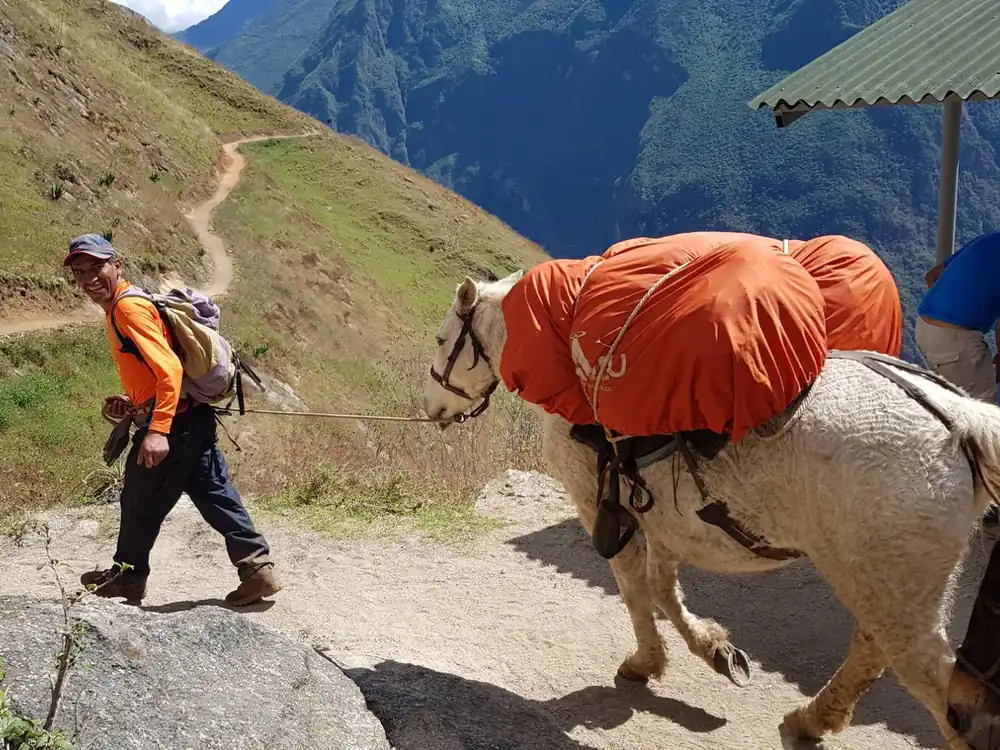
Our muleteers and mules
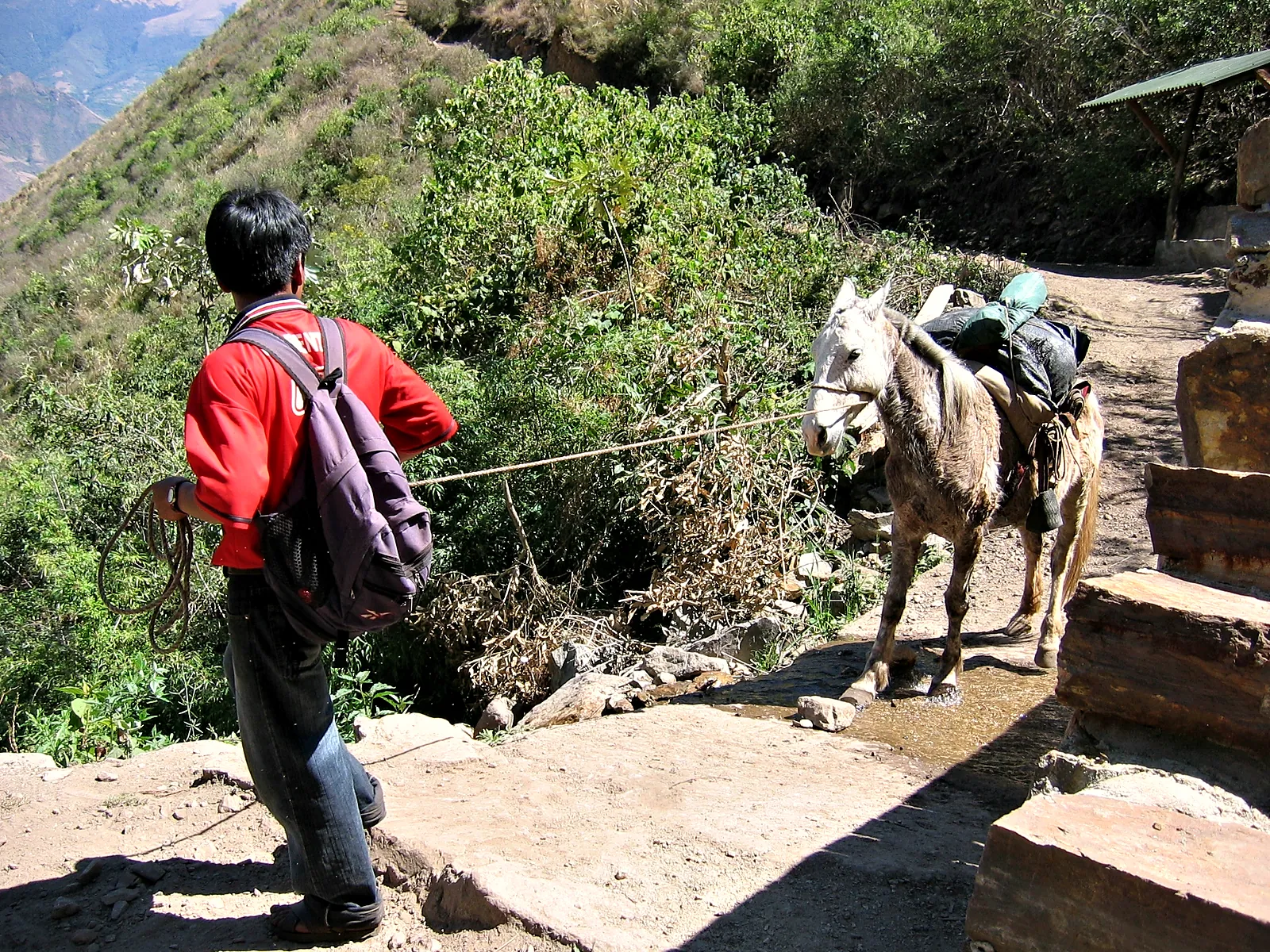
On this trek our muleteers carry the camping equipment and your large backpack with pack mules. They work under the same conditions as our porters on other treks, except for the 20 kg weight limit that applies to porters:
- Food: meals provided throughout the trek.
- Equipment: uniform provided.
- Animal care: load protectors on every mule.
- Shelter: accommodation for all our staff.
That is why your large backpack is limited to 7 kg (15 lb).
Tripadvisor · 2026 Reviews
What Our Travelers Say
Recent Tripadvisor reviews of Santu trips in Peru, posted in 2026.
This is Santu’s overall rating, not a rating specific to this trek.
“The experience was incredible; we were 3 families and we loved it. The level of food, the tents, the guides. A ten.”
“… Giuliana exceeded our expectations. She did an amazing job listening to our wants/needs, make recommendations and take care of all the steps along the way. We felt fully informed.”
“Giuliana who is an amazing travel agent who planned everything for Us and give us lots of great ideas and she came with an amazing package that it took care of all our needs …”